
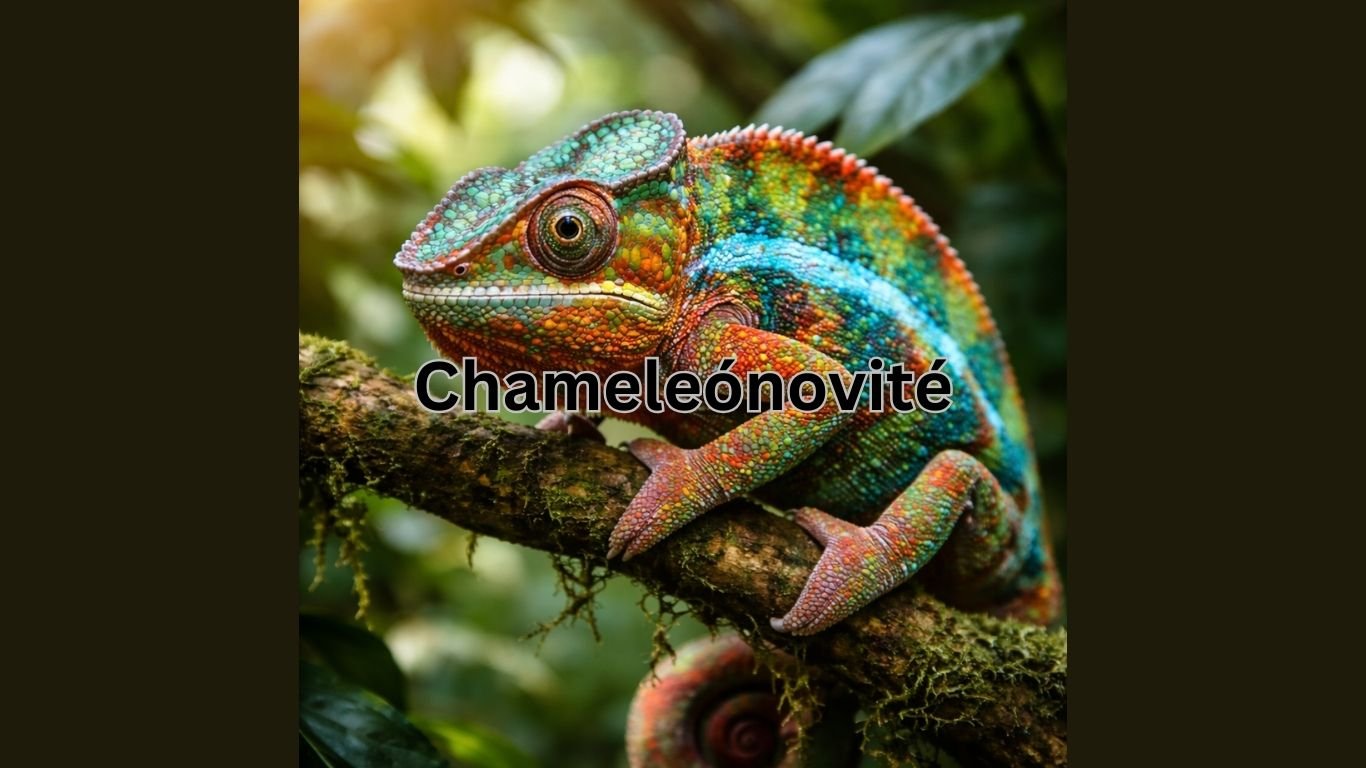
The natural world is full of extraordinary creatures, but few are as fascinating as chameleónovité. Known for their color-changing abilities and unique body structures, these reptiles have captured the imagination of scientists, wildlife enthusiasts, and casual observers alike. Their evolutionary journey, survival techniques, and symbolic meaning make them one of the most intriguing reptile families on Earth.
This article explores the biology, behavior, habitat, and cultural importance of chameleónovité, while also providing a quick bio and answering common questions to help readers gain a deeper understanding.
Read More: Greenford Bella22: Biography, Background, Career Journey, Online Presence, and More
What Are Chameleónovité?
Chameleónovité refers to a biological family of reptiles commonly known as chameleons. This family includes over 200 species, each adapted to specific environments ranging from dense rainforests to arid deserts. What sets chameleónovité apart from other reptiles is not just their appearance, but their extraordinary ability to adapt both physically and behaviorally.
Unlike many reptiles, chameleónovité have zygodactylous feet, meaning their toes are grouped to grip branches securely. This adaptation allows them to live primarily in trees, where stability and balance are crucial for survival.
Evolutionary History of Chameleónovité
The evolutionary roots of chameleónovité date back millions of years. Fossil evidence suggests that early ancestors originated in Africa before spreading to parts of Europe and Asia. Over time, chameleónovité evolved specialized traits that allowed them to thrive in isolated ecosystems.
One key evolutionary advantage of chameleónovité is their independently rotating eyes. Each eye can move separately, allowing a full 360-degree view of their surroundings. This helps them detect predators and prey without revealing their position.
Physical Characteristics That Define Chameleónovité
The physical features of chameleónovité are unlike those of any other reptile family. Their bodies are laterally compressed, their tails are often prehensile, and their tongues can extend up to twice their body length.
The tongue mechanism of chameleónovité is one of the fastest biological movements in the animal kingdom. It uses elastic energy stored in collagen fibers, allowing prey to be captured in a fraction of a second. This hunting technique is both energy-efficient and highly accurate.
Color-Changing Ability Explained
Many people believe that chameleónovité change color purely for camouflage. While camouflage is one reason, it is only part of the story. Color change in chameleónovité is also influenced by mood, temperature, light, and social interactions.
Specialized skin cells called chromatophores allow chameleónovité to shift colors by rearranging nanocrystals beneath the skin. Brighter colors often signal aggression or mating readiness, while darker tones may indicate stress or cold conditions.
Natural Habitat and Distribution
Chameleónovité are primarily found in Africa and Madagascar, with smaller populations in southern Europe, the Middle East, and parts of Asia. Madagascar alone is home to nearly half of all known chameleónovité species.
Their habitats vary widely. Some chameleónovité live in humid rainforests, while others survive in dry savannas or mountainous regions. This diversity highlights their remarkable adaptability to different climates and ecosystems.
Diet and Hunting Behavior
The diet of chameleónovité mainly consists of insects such as crickets, grasshoppers, and beetles. Larger species may occasionally consume small birds or reptiles. Their hunting style is slow and deliberate, relying on patience rather than speed.
Chameleónovité remain motionless for long periods, blending into their surroundings. Once prey is within range, the tongue launches forward with astonishing force, capturing the target almost instantly.
Reproduction and Life Cycle
Reproduction among chameleónovité varies by species. Some lay eggs, while others give birth to live young. Egg-laying species typically bury their eggs in soil, where they incubate for several months before hatching.
Baby chameleónovité are independent from birth and must immediately fend for themselves. Despite their vulnerability, they grow rapidly and develop adult characteristics within a relatively short time.
Behavior and Communication
Although chameleónovité are generally solitary, they communicate through body language and color displays. Bright coloration can signal dominance, submission, or mating interest.
Head bobbing, body flattening, and gaping mouths are common behaviors used by chameleónovité to communicate threats or warnings. These visual signals reduce the need for physical confrontation.
Role in Ecosystems
Chameleónovité play an important role in maintaining ecological balance. By controlling insect populations, they help prevent overpopulation that could damage plant life.
In turn, chameleónovité serve as prey for birds, snakes, and mammals, making them an essential part of the food chain in many ecosystems.
Cultural and Symbolic Significance
Across different cultures, chameleónovité symbolize adaptability, patience, and transformation. In some African traditions, they are associated with wisdom and spiritual awareness.
Modern symbolism often uses chameleónovité as a metaphor for flexibility in changing environments, especially in business, psychology, and personal development.
Conservation Status and Threats
Many chameleónovité species face serious threats due to habitat destruction, climate change, and illegal pet trade. Deforestation in Madagascar has particularly affected native populations.
Conservation efforts focus on habitat protection, breeding programs, and stricter regulations on wildlife trade to ensure the survival of chameleónovité for future generations.
Quick Bio: Chameleónovité
- Scientific Family: Chameleónovité
- Common Name: Chameleons
- Primary Habitat: Forests, savannas, and deserts
- Diet: Insectivorous
- Unique Traits: Color change, independent eye movement, long projectile tongue
- Lifespan: 2–10 years depending on species
Frequently Asked Questions (FAQs)
1. What makes chameleónovité different from other reptiles?
Chameleónovité stand out due to their color-changing skin, independently moving eyes, and specialized hunting tongue.
2. Do chameleónovité change color only for camouflage?
No, chameleónovité also change color to regulate temperature, express emotions, and communicate socially.
3. Where are chameleónovité most commonly found?
Most chameleónovité species are found in Africa and Madagascar, with smaller populations elsewhere.
4. Are chameleónovité good pets?
While some chameleónovité are kept as pets, they require specialized care and are not ideal for beginners.
5. Are chameleónovité endangered?
Several chameleónovité species are threatened or endangered due to habitat loss and illegal trade.
Final Thoughts
The world of chameleónovité is a powerful reminder of nature’s creativity and resilience. From their advanced physical adaptations to their symbolic meaning across cultures, they continue to inspire fascination and respect. Protecting chameleónovité is not just about saving a species, but about preserving the delicate balance of ecosystems they support.