AI Isn’t the Enemy. Blind Use Is – If you’re a student in 2026 and not using AI at all, you’re probably making life harder than it needs to be. If you’re using AI to straight-up make my assignment and submitting it untouched, you’re playing academic roulette.
Both things can be true.
AI is now baked into education. Lecturers know it. Universities know it. Detection tools are no longer the main issue. Intent and process are. Responsible AI use isn’t about pretending you didn’t use it. It’s about using it in a way that still shows you understand the work you’re submitting.
Why “Responsible Use” Is Suddenly a Big Deal
A few years ago, AI policies were vague. Now they’re not. Most institutions have shifted from “AI is banned” to “AI is allowed, but explain how you used it.” According to UNESCO’s guidance on AI in education, the focus is on supporting learning outcomes and maintaining academic integrity, not banning tools outright.
That change matters because it means:
- Students are expected to think, not just submit
- Process matters as much as the final answer
- Over-reliance is easier to spot than people think
I’ve worked with enough students and content reviewers to say this plainly: generic AI writing is obvious. Not because of detectors, but because it lacks judgment, specificity, and real voice.
What Responsible AI Use Actually Looks Like in Practice
Let’s drop the theory and get practical.
Using AI as a Thinking Partner
AI is useful when you’re stuck at the start. Topic unclear. Question confusing. Brain fried. It’s reasonable to use AI to:
- Break down an assignment question
- Suggest angles you hadn’t considered
- Summarize background concepts
This is no different from asking a tutor or Googling explanations. The responsibility comes from what you do after that.
Structuring Your Assignment
One of the most ethical and effective uses of AI is outlining.
Many students don’t struggle with ideas. They struggle with flow. Using AI to map an introduction, body sections, and conclusion gives structure without stealing thinking. You still write the arguments. AI just helps organize them.
Editing Without Erasing Your Voice
Grammar checks, clarity improvements, sentence tightening. All fine. What isn’t fine is letting AI rewrite everything until it sounds like it could belong to anyone. If your paper loses your tone, your examples, and your reasoning, you’ve gone too far.
Where Students Usually Mess This Up
This part is uncomfortable but necessary.
Submitting AI Content “As Is”
This is the fastest way to problems. Not always because of detection tools, but because markers read hundreds of papers. Repetitive phrasing and shallow analysis stick out. If you wouldn’t say it out loud, don’t submit it.
Trusting AI Citations Blindly
AI still hallucinates sources. Submitting fake references is one of the most common and avoidable mistakes. Every citation should be manually checked. No exceptions.
Ignoring AI Disclosure Rules
Many universities now require disclosure. Trying to hide AI use creates more risk than simply being honest about limited, responsible use.
Where Assignment Help AI Fits In (When Done Right)
There’s a big difference between support and substitution. Good assignment help AI platforms focus on:
- Explaining marking criteria
- Improving drafts
- Highlighting weak arguments
- Teaching proper referencing
What the Data Actually Shows
This isn’t just opinion.
An OECD education report found that students who used AI for revision, feedback, and concept clarification performed better than those who relied on it to generate full submissions. Turnitin has also shifted focus toward process-based evaluation, meaning how work evolves matters more than whether AI was involved at some point .
The trend is clear. Responsible use is becoming the expected standard.
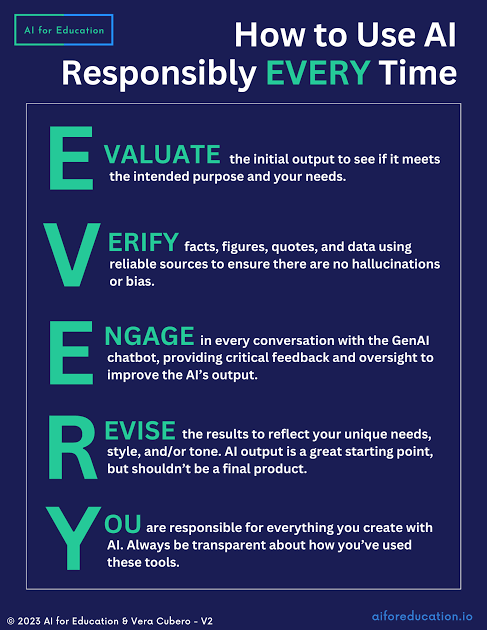
A Simple Rule Set That Keeps Students Safe
If you want something practical instead of philosophical, use this:
- Use AI early, not at the final draft stage
- Rewrite everything in your own words
- Verify every fact and source
- Add personal reasoning or examples
- Be transparent when required
If you can explain your assignment without notes, you used AI correctly.
A responsible assignment writer doesn’t replace your work. They help you understand how to improve it. This matters because most educators aren’t anti-help. They’re anti-shortcuts that bypass learning entirely.
Final Thought (No Moral Lectures)
AI isn’t going away. Neither are deadlines, pressure, or stress.
Used responsibly, AI can help students learn faster and write better. Used lazily, it creates academic risk and hollow results.
The goal isn’t to avoid AI. The goal is to still sound like you when you use it. That’s what separates help from harm.