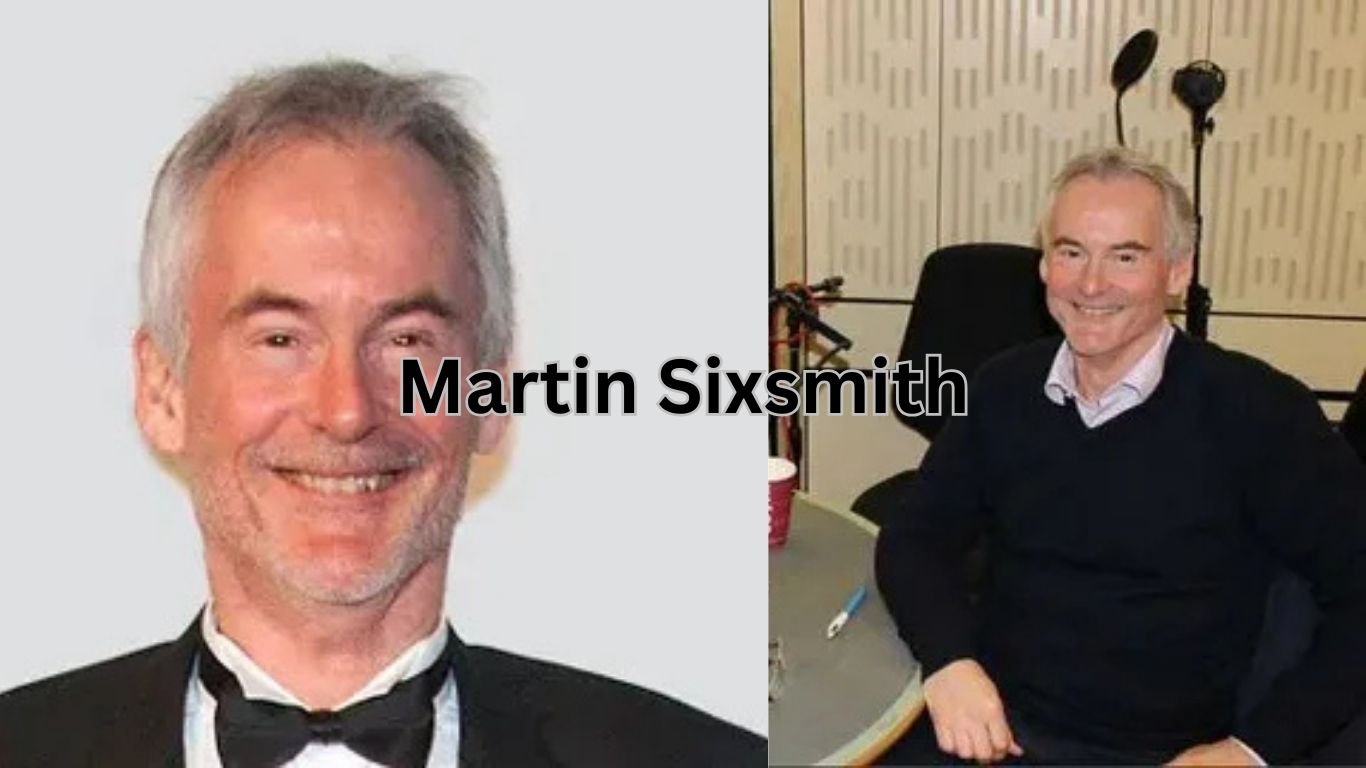
When people search for stories that combine journalism, politics, and deeply emotional human narratives, the name Martin Sixsmith often appears. His life has been filled with achievement, controversy, and personal challenges—some of which have been labelled under the widely discussed term “Martin Sixsmith tragedy”. But who is he beyond the headlines? What do we know about Martin Sixsmith’s wife, Martin Sixsmith’s family, Martin Sixsmith’s age, and the journey that led to both his success and his resignation?
This article dives deep into the life of Martin Sixsmith, exploring his family, marriage, children, professional background, and the emotional stories connected to him—including the real-life tragedy that inspired the award-winning film Philomena.
Who Is Martin Sixsmith?
According to Martin Sixsmith’s Wikipedia information, he is a British author, former journalist, political adviser, and broadcaster. Born on September 24, 1954, in Warrington, United Kingdom, Martin Sixsmith’s age is 71 years. Over the years, he has become known for his powerful storytelling, investigative journalism, and ability to capture human emotion in a way few writers can.
He was educated at Manchester Grammar School, later studied at the University of Oxford and Harvard University, giving him a strong academic foundation that supported his rapidly rising career.
Martin Sixsmith Career & Early Life
Sixsmith began his career in journalism with the BBC, working as a foreign correspondent and reporting from major political hubs like Washington, Moscow, and Warsaw. This global exposure shaped him into one of Britain’s most trusted—and sometimes controversial—political journalists.
After leaving frontline journalism, he continued his work through documentaries, books, and political commentary. He later served as an adviser to the Labour government and worked on the BBC satire The Thick of It, proving his ability to transition between fields effortlessly.
Understanding the “Martin Sixsmith Tragedy”
When the phrase “Martin Sixsmith tragedy” is used, many people mistakenly think it refers to a personal loss. In truth, the tragedy most associated with his name is that of Philomena Lee, the Irish mother whose son was forcibly taken from her in the 1950s. Sixsmith told her story in his book The Lost Child of Philomena Lee, which later became the basis for the critically acclaimed movie Philomena, starring Judi Dench and Steve Coogan.
Through this story, Martin Sixsmith became the voice that helped Philomena reunite emotionally with her lost past. His involvement in the tragedy made him known worldwide, even though the tragedy itself did not belong to him but to Philomena.
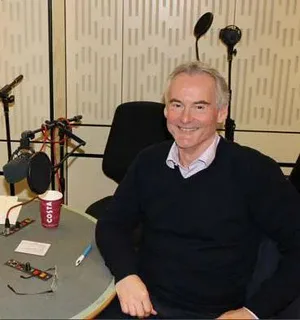
Martin Sixsmith Resignation – What Happened?
A major turning point in his career came in 2002, when he resigned from his government role during a controversy involving communications within the Labour Party. Although he denied wrongdoing, political pressure and media scrutiny forced Martin Sixsmith’s resignation.
This event pushed him back toward writing, broadcasting, and storytelling. It also boosted public interest in Martin Sixsmith’s personal life, leading to questions about Martin Sixsmith’s family and his future professional direction.
Martin Sixsmith Wife, Family & Children
Many readers wonder: Is Martin Sixsmith married?
Yes—Martin Sixsmith wife is Mary Sixsmith, and the couple has been married for many years.
Despite his public career, Sixsmith has always kept his private life relatively quiet. The family prefers privacy, and little is publicly known about Martin Sixsmith’s children or extended family. What is clear, however, is that family stability played an important role during the tough periods of his political controversy and career transitions.
Martin Sixsmith Today: Where Is He Now?
After years of high-profile journalism and politics, Sixsmith now enjoys a life focused on writing, consulting, media appearances, and occasional television and radio work. His books continue to receive attention, especially those dealing with history, human rights, and emotional storytelling.
He remains respected in literary and academic circles and continues to be associated with socially impactful stories.
FAQs
1. Why did Martin Sixsmith lose his job?
Martin Sixsmith resigned from his government position in 2002 following a political communications controversy involving the Labour Party. Although he denied any wrongdoing, intense media pressure contributed to his departure.
2. Where is Martin Sixsmith now?
Today, Martin Sixsmith works as an author, broadcaster, and public speaker. He continues writing books, appearing on radio/television, and engaging in documentary storytelling.
3. What happened to Philomena Lee?
Philomena Lee was a young Irish woman whose son was taken away and adopted without her consent by a Catholic institution in the 1950s. Her heartbreaking story was later uncovered with the help of Martin Sixsmith and became the basis for the book and film Philomena.
4. Is the film Philomena a true story?
Yes. The movie Philomena is a true story based on Martin Sixsmith’s book The Lost Child of Philomena Lee, which documents Philomena’s search for her son.
Final Thoughts
From global journalism to emotional storytelling, the life of Martin Sixsmith offers a mix of triumph, challenge, controversy, and compassion. Whether exploring the Martin Sixsmith tragedy, discussing his family, or examining the reasons behind his resignation, one thing is clear: Martin Sixsmith has lived a life filled with depth and impact. His work continues to inspire conversations about justice, humanity, and the importance of telling difficult stories.