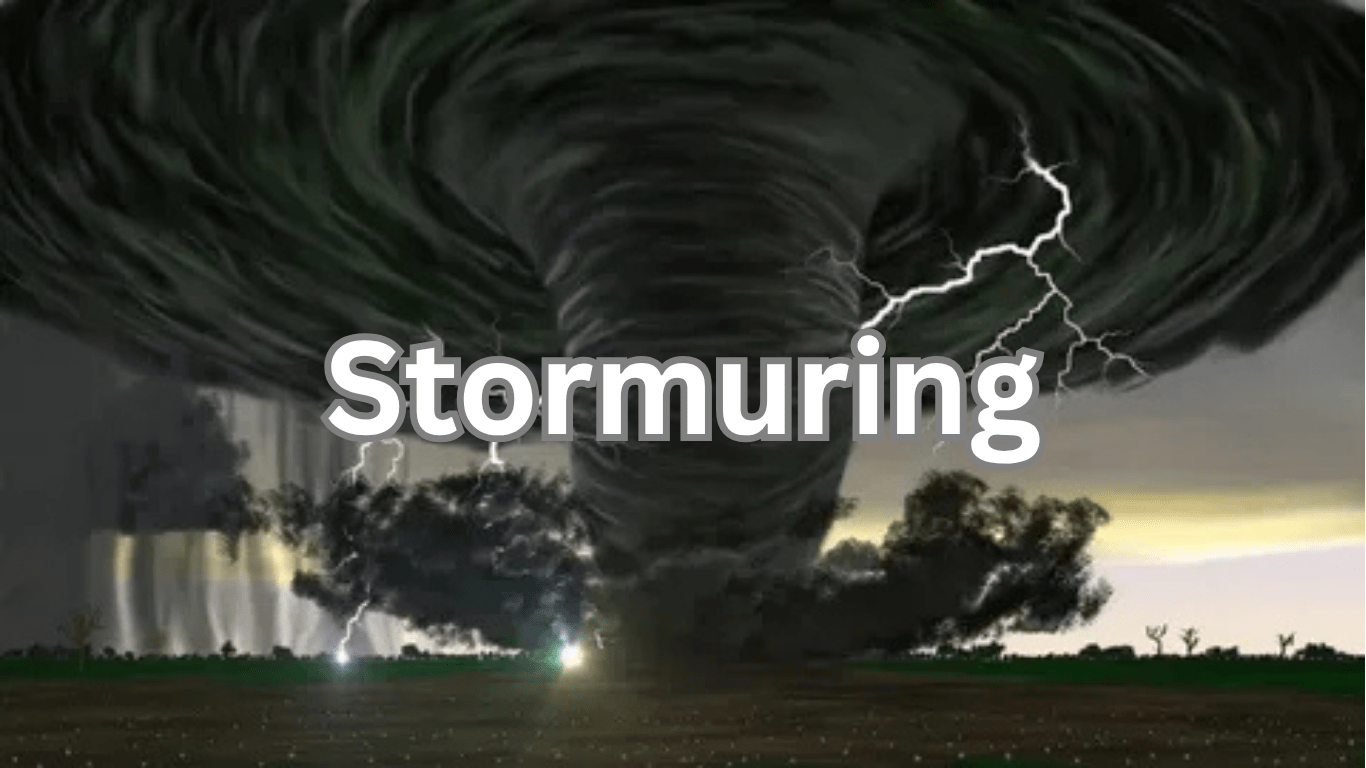
In today’s changing climate, the concept of stormuring — a blend of “storm” and “enduring” — has become increasingly relevant. It describes the growing pattern of back-to-back severe storms that test the limits of human endurance and infrastructure. As the world experiences more frequent and powerful weather systems, the concept of storm surge helps us understand how these storms persist, overlap, and impact communities in ways we’ve never seen before.
What Is Stormuring?
Stormuring refers to a cycle of sustained or repeated storm activity that affects the same regions over short periods of time. Unlike isolated hurricanes or typhoons, stormuring focuses on the endurance aspect — how multiple weather events compound one another, creating longer-lasting damage and disruption.
It captures both the meteorological and human dimensions: the storm itself and the challenge of enduring its aftermath. Imagine a coastal city that barely recovers from one cyclone before another arrives. That repetitive strain, both environmental and social, is what defines stormuring.
Origins of the Concept
Although the word “stormuring” is relatively new, the phenomenon it represents has been building for decades. Climate scientists have long observed that as global temperatures rise, the oceans and atmosphere store more energy. This results in stronger storms, heavier rainfall, and shorter recovery gaps between major events.
Urbanisation adds another layer to this problem. As cities expand and natural landscapes are replaced by concrete, stormwater drainage becomes less effective. The result? Areas hit by one storm remain saturated and vulnerable to the next. Stormuring, therefore, isn’t just a scientific term — it’s a wake-up call to rethink how we view resilience in the face of climate extremes.
Major Causes of Stormuring
Stormuring doesn’t arise from a single cause; it’s the product of several interconnected factors. Here are the most important ones:
1. Climate Change and Warmer Oceans
Rising global temperatures warm ocean surfaces, providing more energy to storm systems. This leads to longer, stronger, and more moisture-rich storms. The result is not only an increase in storm intensity but also in storm frequency, which creates overlapping events.
2. Urban Expansion and Deforestation
When forests, wetlands, and natural buffers are removed, rainwater has nowhere to go. Urban sprawl, poorly designed drainage systems, and impermeable surfaces make it harder for cities to recover between storms — key ingredients in the stormuring effect.
3. Weak Infrastructure and Recovery Gaps
A city’s infrastructure often cannot handle repeated stress. Bridges, drainage networks, and power systems weakened by one storm may collapse under the next. With each hit, recovery time shrinks, leaving communities perpetually vulnerable.
4. Ineffective Policy and Preparedness
Governments and disaster agencies sometimes plan for singular disasters rather than recurring ones. Without forward-looking policies, emergency responses become repetitive rather than adaptive, contributing to stormuring’s cycle of vulnerability.
Social and Environmental Impacts of Stormuring
The impacts of stormuring reach far beyond property damage. Its long-term effects ripple through every aspect of life — from personal safety to national economies.
Human and Community Impacts
- Displacement and Migration: Repeated storms destroy homes and force people to relocate permanently.
- Health Challenges: Flooded regions experience a surge in waterborne diseases, mental health stress, and food shortages.
- Economic Strain: Jobs are lost, businesses close, and governments spend billions on recovery rather than development.
Environmental Degradation
Ecosystems suffer just as much. Wetlands, coral reefs, and forests can only endure so much before breaking down. Each storm erodes soil, pollutes waterways, and weakens biodiversity — all of which reduce nature’s ability to protect us from future storms.
Infrastructure Breakdown
Repeated exposure to storms can cripple transportation, electricity, and communication systems. As a result, even moderate storms become major crises because the foundation for resilience has been eroded over time.
The Science Behind Stormuring
From a scientific standpoint, storming is closely tied to atmospheric circulation patterns and oceanic warming. As polar regions warm and temperature differences narrow, weather systems move more slowly. This means storms linger longer, drop more rain, and increase the chances of back-to-back storm systems forming in the same area.
Furthermore, El Niño and La Niña cycles — which influence global weather — can intensify storming by creating seasons of unusual storm clustering. Scientists studying these patterns suggest that the world may be entering a new era of persistent weather instability, where storming becomes a defining feature of the 21st-century climate.
How to Mitigate Stormuring
While we cannot stop storms from forming, we can reduce their long-term impact by improving resilience and recovery strategies. Effective mitigation involves several interconnected steps:
1. Building Stronger Infrastructure
Cities need to design infrastructure that can withstand multiple storm events. This includes elevating roads, improving drainage systems, reinforcing power grids, and adopting flood-resilient architecture.
2. Restoring Natural Defenses
Wetlands, mangroves, and forests act as natural barriers that absorb excess rain and storm surge. Restoring these ecosystems is a cost-effective and sustainable way to reduce the intensity of storming.
3. Smarter Urban Planning
Governments must rethink zoning and land use. High-risk flood zones should be avoided for housing or industrial construction. Cities can also use green roofs and permeable pavements to reduce runoff and improve water absorption.
4. Early Warning and Rapid Response
Modern technology — including AI-based weather prediction and satellite monitoring — can detect storm clusters before they hit. Efficient early-warning systems save lives and reduce cumulative damage.
5. Education and Community Preparedness
Resilience begins at the community level. When citizens understand evacuation plans, emergency kits, and recovery strategies, they become active participants in combating stormuring rather than passive victims.
The Global Relevance of Stormuring
The phenomenon of stormuring isn’t limited to any one country. Coastal nations such as the Philippines, Japan, the United States, and Bangladesh face back-to-back typhoons or hurricanes each year. Similarly, European regions experience multiple winter storms in a single season.
Developing countries, with limited resources and weaker infrastructure, suffer the most. Without adequate recovery funding, they remain trapped in a continuous loop of rebuilding and loss — the very essence of stormuring.
Why the Term “Stormuring” Matters
Language shapes perception. The word stormuring helps scientists, journalists, and policymakers articulate the persistent nature of modern storms. Instead of viewing disasters as isolated incidents, the term invites us to see them as part of a pattern — a chain reaction driven by environmental and human factors.
Recognizing stormuring allows nations to shift from reactive to proactive disaster management. It encourages investment in resilience, climate adaptation, and long-term recovery frameworks instead of short-term relief efforts.
Looking Ahead: The Future of Stormuring
As climate change accelerates, storming is expected to intensify. Future generations may live in an era where continuous storms are a seasonal norm. However, technological innovation, international cooperation, and environmental restoration offer hope.
By combining science, sustainability, and smart policy, humanity can transform storms from a symbol of vulnerability into a challenge we are prepared to face. The time to act is now — not after the next storm, but before the next season of endurance begins.
Frequently Asked Questions (FAQs)
1. What does the term “stormuring” mean?
Stormuring refers to the pattern of repeated or sustained storm activity affecting the same region in short intervals, causing overlapping damage and prolonged recovery times.
2. How is storming different from ordinary storms?
Ordinary storms are isolated events, while stormuring focuses on sequences of storms that hit consecutively or continuously, compounding their effects over time.
3. What causes stormuring?
Key causes include climate change, warmer ocean temperatures, urbanisation, deforestation, and inadequate infrastructure. These factors create conditions where one storm weakens systems enough for the next to cause greater damage.
4. Can storming be prevented?
Storm surges cannot be completely prevented, but its impacts can be reduced through climate adaptation, stronger infrastructure, ecosystem restoration, and better disaster preparedness.
5. Why is understanding stormuring important?
Recognising stormuring helps policymakers and communities prepare for a future where extreme weather events are not singular but recurring. It promotes a culture of resilience and long-term adaptation.
Final Thoughts
Stormuring is more than just a new buzzword — it’s a powerful concept that captures the changing rhythm of our planet. The endurance of storms mirrors the endurance required of humanity itself. If we acknowledge the persistence of these challenges and adapt accordingly, we can weather not only the next storm but the many that follow.